As a medical credentialing professional, they play a critical function in the healthcare enterprise. Their work history guarantees that healthcare professionals are certified and equipped to provide better patient care. We manage the complex manner of verifying their credentials. This entails checking their training, education, licenses, and professional historical past.
The activity of a medical credentialing expert is multifaceted. They act as gatekeepers, making sure that the most effectively qualified people exercise in the healthcare sectors.
They deal with an extensive range of tasks day by day. This consists of accumulating and verifying files. Then, additionally, extracting databases, and talking with various organizations. They are responsible for preserving accurate and up-to-date information.
Medical credentialing is essential for numerous reasons. It protects patients by making sure they obtain care from qualified experts. It also protects healthcare agencies from legal responsibility.
Credentialing facilitates maintaining high standards in the healthcare industry. It promotes patient protection and is accepted as true. They contribute to a safe and dependable healthcare system.
A clinical credentialing expert plays diverse duties that are essential to the smooth operation of healthcare centers. Here are the number one responsibilities:
Credentialing professionals meticulously verify healthcare provider's educational history, board certifications, licenses, and work history. This procedure includes cross-checking files with licensing boards, academic establishments, and former employers.
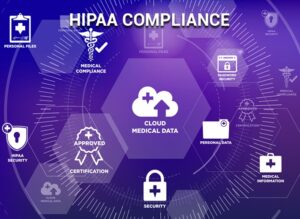
Staying abreast of ever-changing guidelines and recommendations related to credentialing. This makes certain all tactics adhere to federal, country, and local requirements. This consists of HIPAA and other privacy guidelines. Credentialing experts ensure that carriers meet these standards to hold the ability’s accreditation.
Specialists keep comprehensive records of issuer credentials. They update databases with modern facts to ensure accuracy and readiness for audits. This undertaking requires first-rate organizational abilities and interest in detail.
Recredentialing is an ongoing method. Specialists periodically verify that providers’ licenses and certifications are present day. They also make sure that providers continue to be compliant with up-to-date guidelines.
Credentialing specialists talk with vendors, directors, and external agencies. They frequently serve as the liaison between healthcare organizations and insurance agencies, ensuring that carriers are listed in coverage networks.
Becoming a scientific credentialing professional requires a combination of technical knowledge, organizational talents, and interpersonal talents. Here are a few important competencies and qualifications:
The role of a clinical credentialing specialist is not without its demanding situations. Here are some not-unusual hurdles:
The actions of a medical credentialing expert at once impact the great care patients get hold of. By ensuring that the simplest certified providers are allowed to exercise, they:
A medical credentialing specialist plays an important function in keeping the integrity and efficiency of the healthcare system. By verifying issuer qualifications and making sure compliance with requirements, they protect patient protection and help healthcare corporations’ operations.
They ensure that healthcare businesses fulfill all the necessary requirements. They protect the general public by ensuring that only qualified individuals provide medical care. Their skills for accuracy and compliance preserve trust in the healthcare system.